



›
Blog›
Canary Islands›
Well-Being Is No Longer a Luxury: It Is a Health Necessity
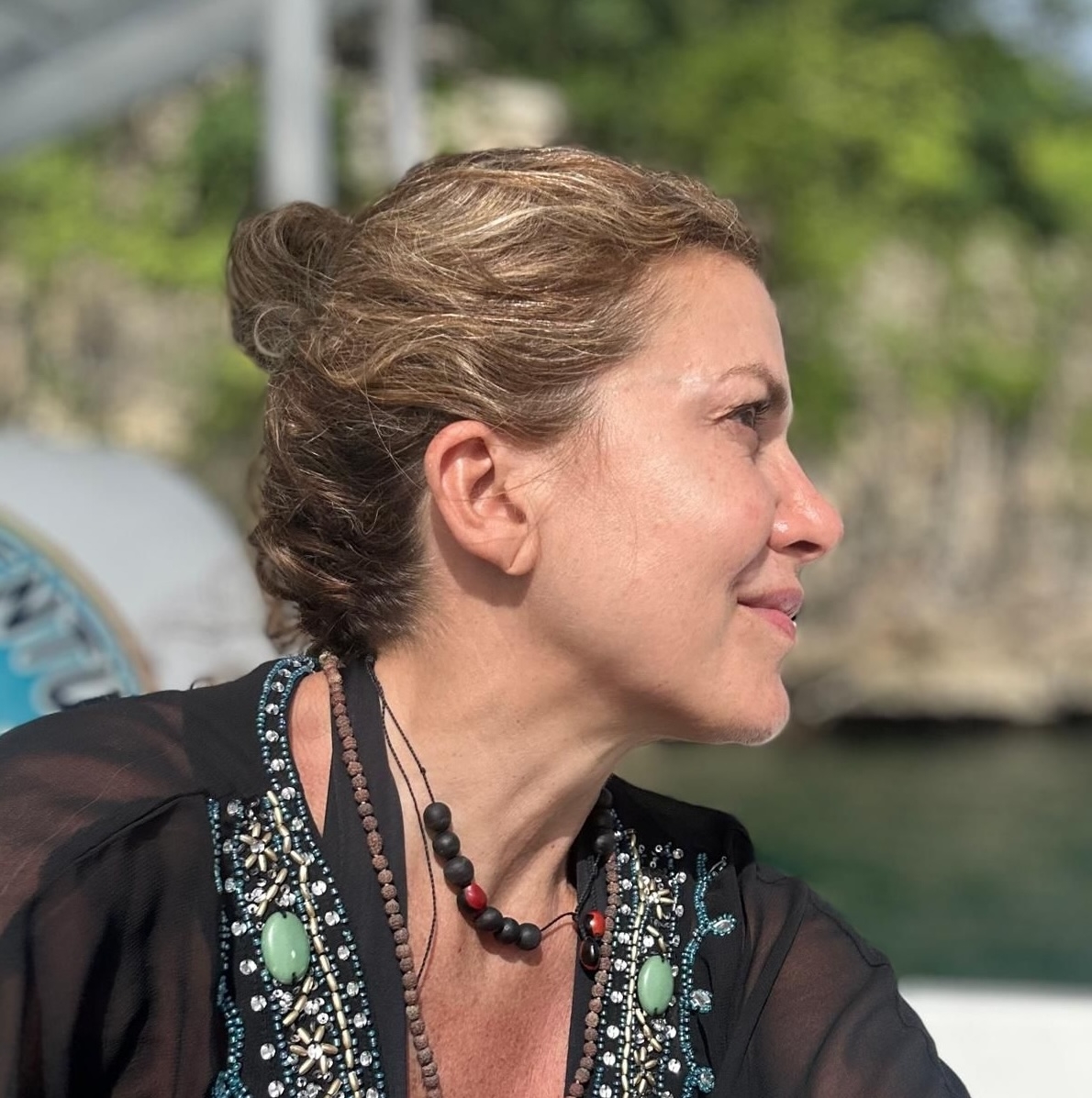
By Marta Belén González Rodríguez
For many years, society viewed vacations simply as a break from work: a few days to disconnect, travel, and then return to routine. However, today science is helping us understand something much deeper: people do not travel only to escape. They travel to feel better.
And feeling better is not something superficial. It is biological, emotional, mental, and profoundly human.
After more than 15 years working in healthcare management and wellness tourism, I have observed how chronic stress, hyperconnectivity, sleep problems, anxiety, and emotional exhaustion have become part of everyday life for many people. We live in a constant state of stimulation where the nervous system rarely has time to recover properly.
And precisely what many people instinctively seek during a vacation — silence, nature, rest, mindful movement, emotional calm, better sleep, or meaningful experiences — is the very same thing that medical research now identifies as essential for physical and mental well-being.
That is why wellness tourism can no longer be considered simply a trend. It reflects a growing social and scientific understanding that recovery and well-being are genuine health necessities.
Research from institutions such as Harvard Medical School and Massachusetts General Hospital has shown that practices such as mindfulness and meditation can help reduce stress and create measurable changes in areas of the brain related to emotional regulation, resilience, memory, and self-awareness.
Similarly, Mayo Clinic recognizes mindfulness, meditation, breathing techniques, yoga, and other relaxation practices as evidence-based tools that can help reduce stress and improve overall well-being.
Science is also paying increasing attention to cortisol, one of the main hormones associated with stress. Elevated cortisol levels over long periods have been linked to fatigue, anxiety, sleep disturbances, inflammation, and emotional exhaustion. Studies published in medical journals such as Psychoneuroendocrinology suggest that mindfulness- and relaxation-based interventions may support better stress regulation and help the nervous system recover.
But perhaps most importantly, people already know this intuitively.
Why does someone dream of hearing the ocean instead of notifications?
Why do we seek nature, sunlight, healthy food, silence, movement, or rest when we travel?
Because the human body recognizes well-being long before the mind can explain it scientifically.
In destinations such as Tenerife and the Canary Islands, nature itself becomes part of the recovery process. The climate, the Atlantic light, the slower pace of life, and the connection with the environment naturally create conditions that help people disconnect from chronic stress and reconnect with themselves.
At MBestCare, this vision has always been part of our philosophy: bringing together healthcare expertise, evidence-based wellness practices, and the therapeutic value of the Canary Islands’ natural environment to create experiences that genuinely help people feel better.
Not because wellness is fashionable.
But because caring for physical and mental well-being is becoming one of the greatest health priorities of our time.
And perhaps that is what we are all truly seeking when we choose to dedicate part of our lives to a vacation: to return home not only rested, but truly renewed.